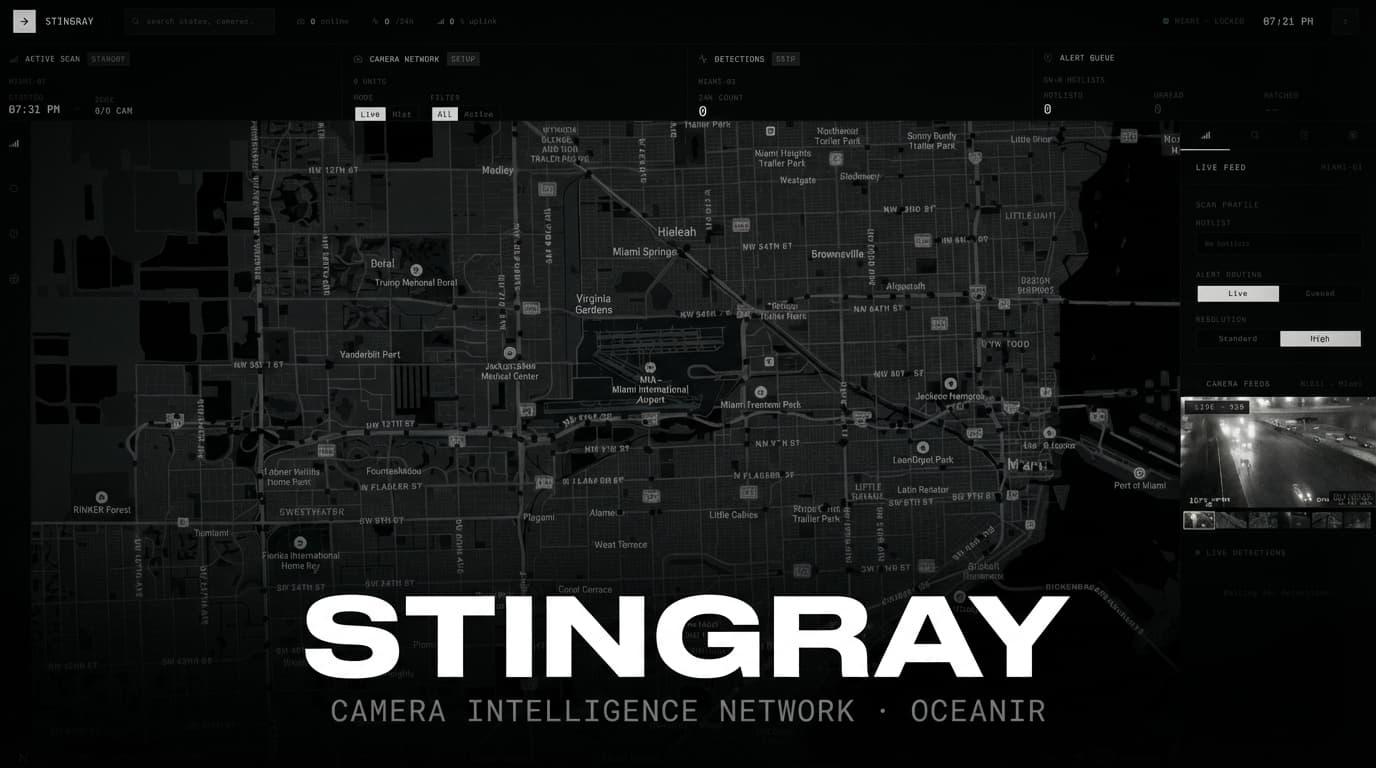
Global foundation models often fail to capture the nuanced visual grammar of specific urban environments. They see "buildings" and "roads" but miss the context. Orca 1 is different. It brings semantic understanding to raw pixels.
Designed for reality
Orca 1 is trained on city-specific datasets to distinguish neighborhoods based on architectural patterns, vegetation density, infrastructure style, and signage typography.
"Orca answers not just 'where is this', but 'what is the function of this space'. It bridges the gap between satellite imagery and street-level reality."
Performance benchmark
While Picarta.ai excels at general geo-estimation, Orca 1.1 achieves superior semantic density through specialized training on privacy-compliant urban datasets.
Core features
Orca 1 introduces six core capabilities designed for urban-scale visual intelligence.
- Pattern recognition — Identifies architectural styles, vegetation patterns, and urban infrastructure unique to specific neighborhoods.
- Text extraction — High-fidelity OCR to read signage, storefronts, and street names even in low-resolution imagery.
- Solar analysis — Infers time-of-day and cardinal direction from solar positioning cues and shadow angles.
- Cross-reference — Validates visual data against a proprietary index of millions of geo-tagged reference images.
- Privacy core — Processes imagery without facial recognition or PII retention. Built with compliance by design.
- Real-time stream — Optimized for high-throughput streams, enabling live analysis of video feeds with minimal overhead.
Deploy Orca 1
Launch the interface to start processing imagery.